$60.98
$89.03
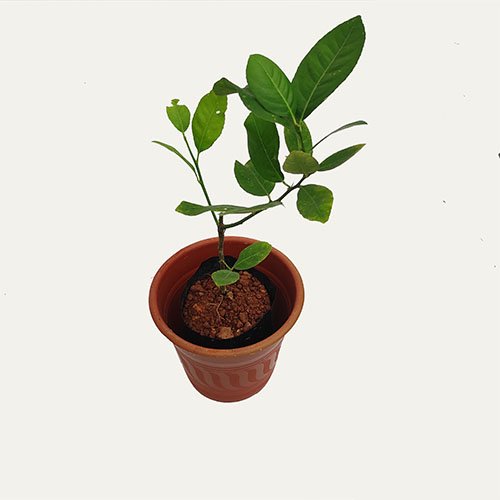
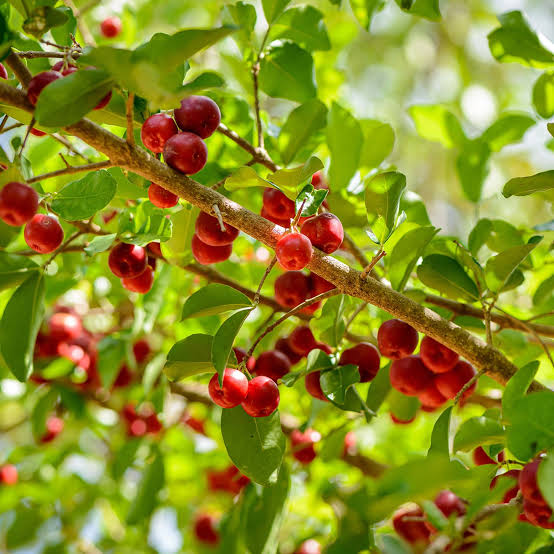
DescriptionIn India, we can sell this Barbados Cherry/ Malpighia Emarginata (single plant) via online delivery systems to any states including Andhra Pradesh, Arunachal Pradesh, Assam, Bihar, Chhattisgarh, Goa, Gujarat, Haryana, Himachal Pradesh, Jammu & Kashmir, Jharkhand, Karnataka, Kerala, Madhya Pradesh, Maharashtra, Manipur, Meghalaya, Mizoram, Nagaland, Odisha (Orissa), Punjab, Rajasthan, Sikkim, Tamil Nadu, Telangana, Tripura, Uttar Pradesh, Uttarakhand, and West BengalThe Barbados Cherry, also known as Acerola Cherry, is a small tropical fruit tree or shrub that produces bright red, vitamin C-rich cherries. It is popular for its fast growth, drought tolerance, and ornamental value, making it a great choice for edible gardens, hedges, or container planting.Plant Details:Family: MalpighiaceaeGrowth Habit: Bushy, evergreen shrub or small treeSize: 2–4 meters (6–13 feet) tall, but can be pruned smallerLeaves: Small, glossy, dark green, oval-shaped with a wavy marginFlowers: Small, pink to lavender, five-petaled flowers bloom in clustersFruits: Bright red, cherry-like berries, about 1–2 cm in diameter, high in vitamin CTaste: Sweet-tart, juicy, with a slight citrus flavorBlooming & Fruiting Season: Year-round, with peak fruiting in spring and summerCare & Growing Conditions:Light: Prefers full sun (at least 6–8 hours of direct sunlight for best fruiting)Water: Drought-tolerant once established; water regularly in dry periods for better fruit productionSoil: Well-draining, sandy or loamy soil; prefers slightly acidic to neutral pH (5.5–7.5)Temperature: Thrives in warm, tropical, and subtropical climates (not frost-tolerant; protect from temperatures below 5°C / 41°F)Humidity: Prefers moderate to high humidityFertilization: Use a balanced fertilizer every 4–6 weeks during the growing season; organic compost also promotes fruitingPruning: Regular pruning encourages bushy growth, better airflow, and more fruit productionPropagation: Grown from seeds, cuttings, or air-layeringSpecial Features & Uses:High in vitamin C—one of the richest natural sources!Fast-growing and drought-resistantAttractive as an edible hedge or ornamental treeAttracts pollinators like bees and butterfliesFruits can be eaten fresh or used in juices, jams, and desserts
Fruit Trees And Plants