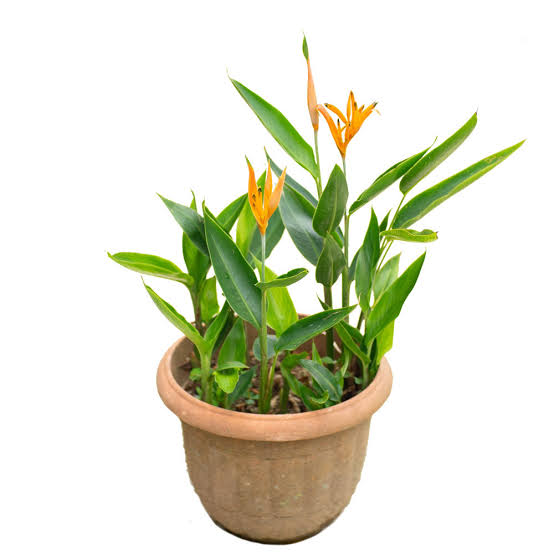
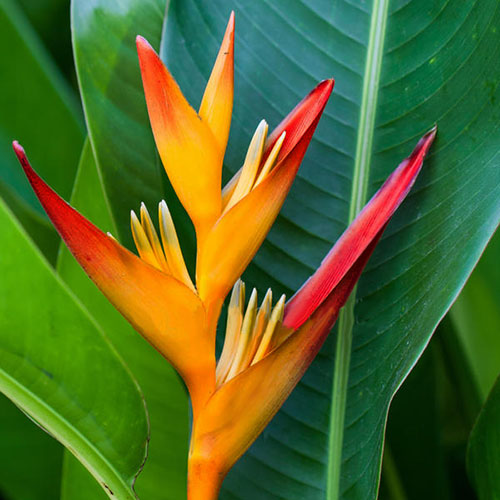
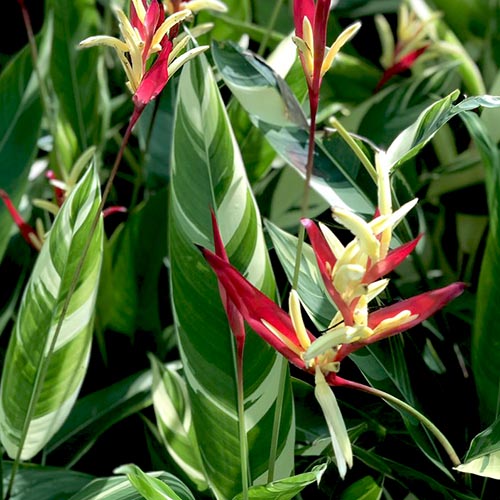
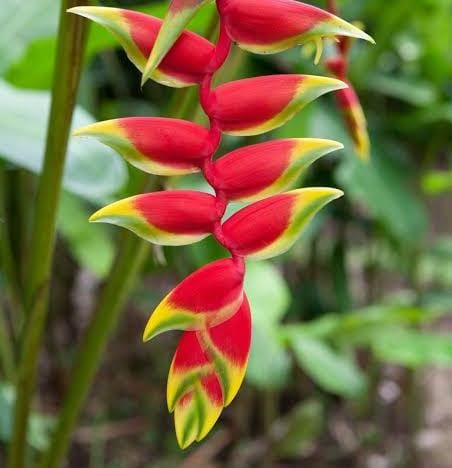
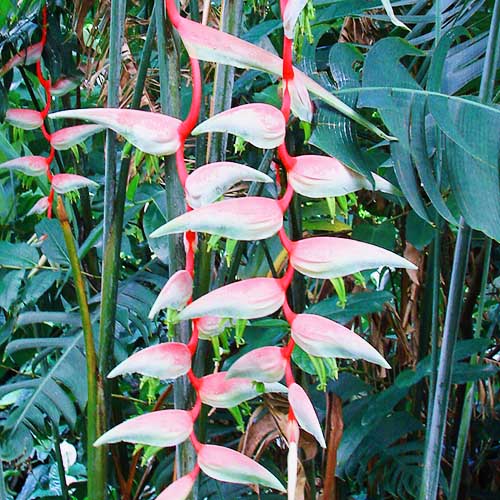
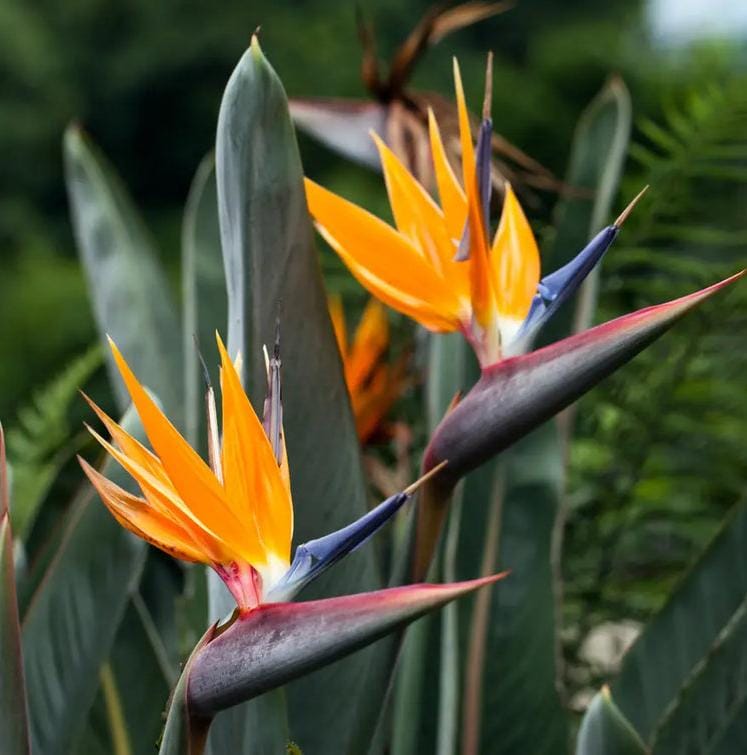
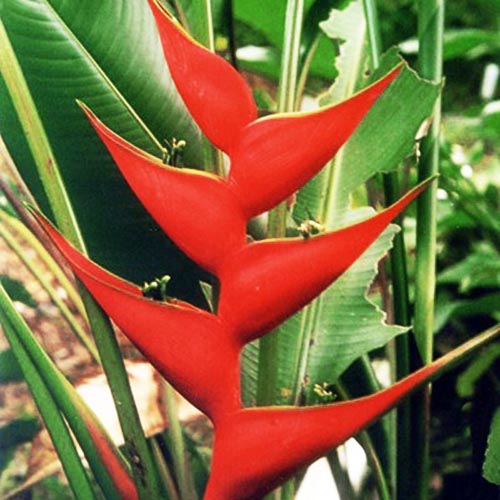
DescriptionThe Heliconia American Dwarf-orange is a beautiful tropical plant known for its striking orange flowers and lush foliage. Here’s a comprehensive guide to understanding and caring for this plant:DescriptionFoliage: The leaves are large, banana-like, and deep green, providing a lush and tropical backdrop for the flowers.Flowers: The flowers are vibrant orange with a distinctive bract structure, resembling lobster claws. These inflorescences are both eye-catching and long-lasting.Size: Dwarf varieties typically grow to a height of 2-3 feet, making them suitable for smaller gardens and container planting.Care TipsLight: Prefers full sun to partial shade. For optimal flowering, ensure the plant receives at least 6 hours of direct sunlight daily.Water: Requires consistently moist soil. Water regularly, ensuring the soil stays moist but not waterlogged. Reduce watering in the winter months when the plant’s growth slows.Humidity: Thrives in high humidity environments. If growing indoors or in a dry climate, increase humidity with a humidifier or by placing the plant on a pebble tray with water.Temperature: Prefers warm temperatures between 70-85°F (21-29°C). It is not frost-tolerant, so protect it from temperatures below 50°F (10°C).Soil: Use rich, well-draining soil. Amending the soil with organic matter such as compost can improve fertility and drainage.Fertilizer: Feed with a balanced, water-soluble fertilizer every 4-6 weeks during the growing season. Use a fertilizer with higher phosphorus content to promote blooming.PropagationDivision: The most common method is by dividing the rhizomes. This is typically done in spring. Carefully separate the rhizomes and replant each section.Seeds: Can be propagated from seeds, but this method is slower and more challenging.Common IssuesPests: Watch for common pests such as aphids, spider mites, and mealybugs. Regularly inspect the plant and treat with insecticidal soap or neem oil if necessary.Leaf Spot: Often caused by fungal infections due to overwatering or poor air circulation. Remove affected leaves and improve air circulation around the plant.Yellowing Leaves: Can indicate nutrient deficiencies, overwatering, or poor drainage. Ensure proper fertilization and water management.BenefitsAesthetic Appeal: The Heliconia American Dwarf-orange’s vibrant orange flowers and lush foliage add a tropical and exotic touch to gardens and containers.Compact Size: Its smaller size makes it ideal for container gardening, small gardens, and indoor planting.Attracts Wildlife: The flowers attract pollinators such as hummingbirds and butterflies, adding an element of wildlife to your garden.Special ConsiderationsWinter Care: In colder climates, the rhizomes need to be dug up and stored indoors during the winter months. Store them in a cool, dry place and replant in the spring.Pruning: Remove spent flowers and dead or damaged leaves to encourage new growth and maintain a tidy appearance.