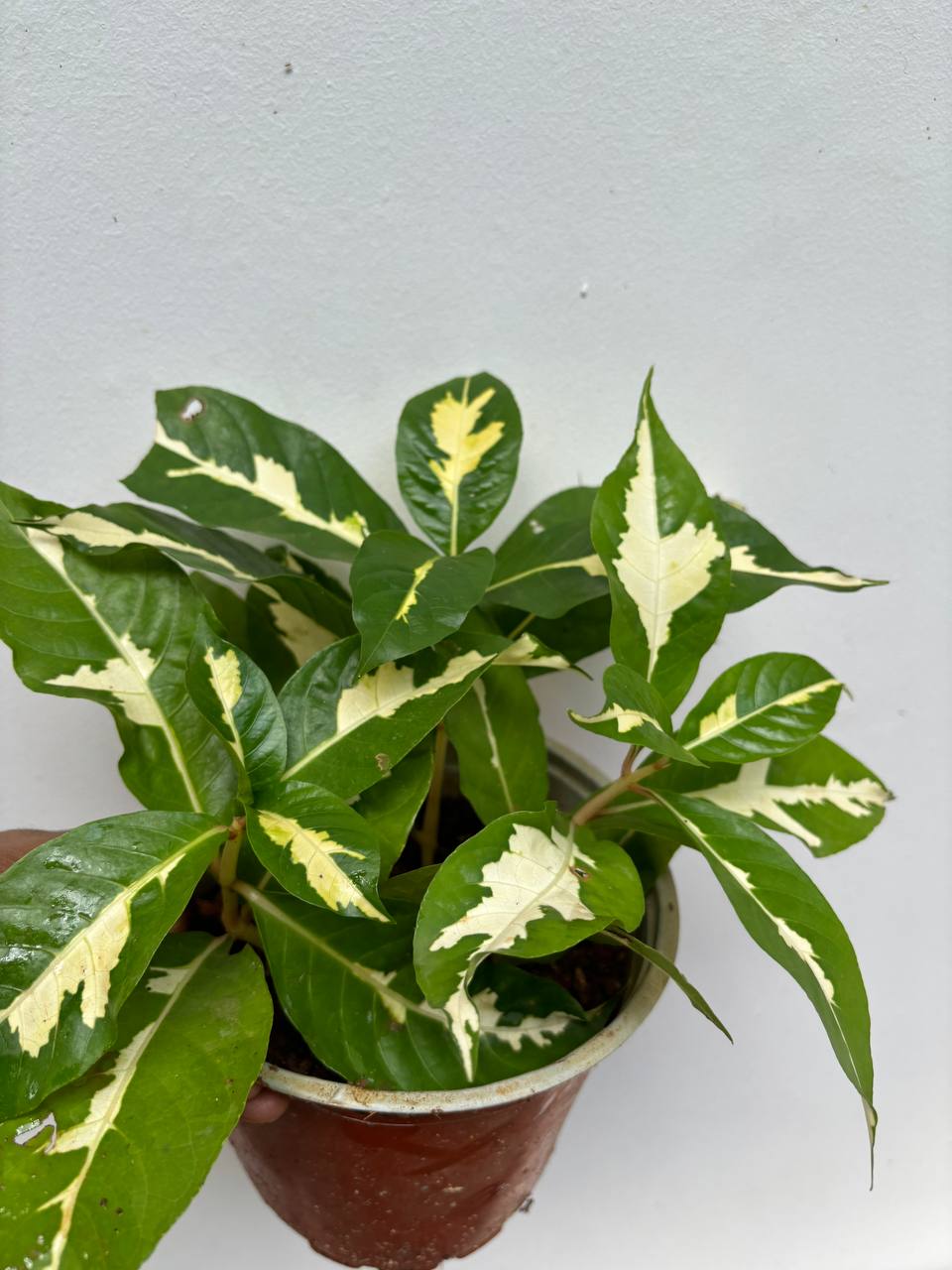
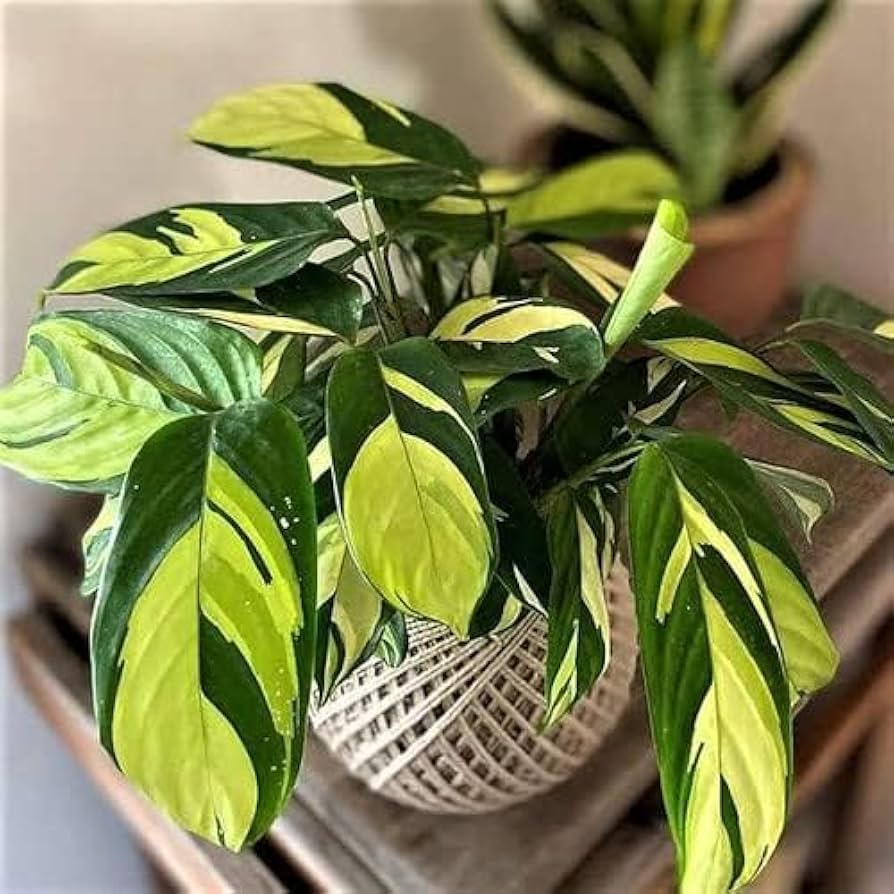
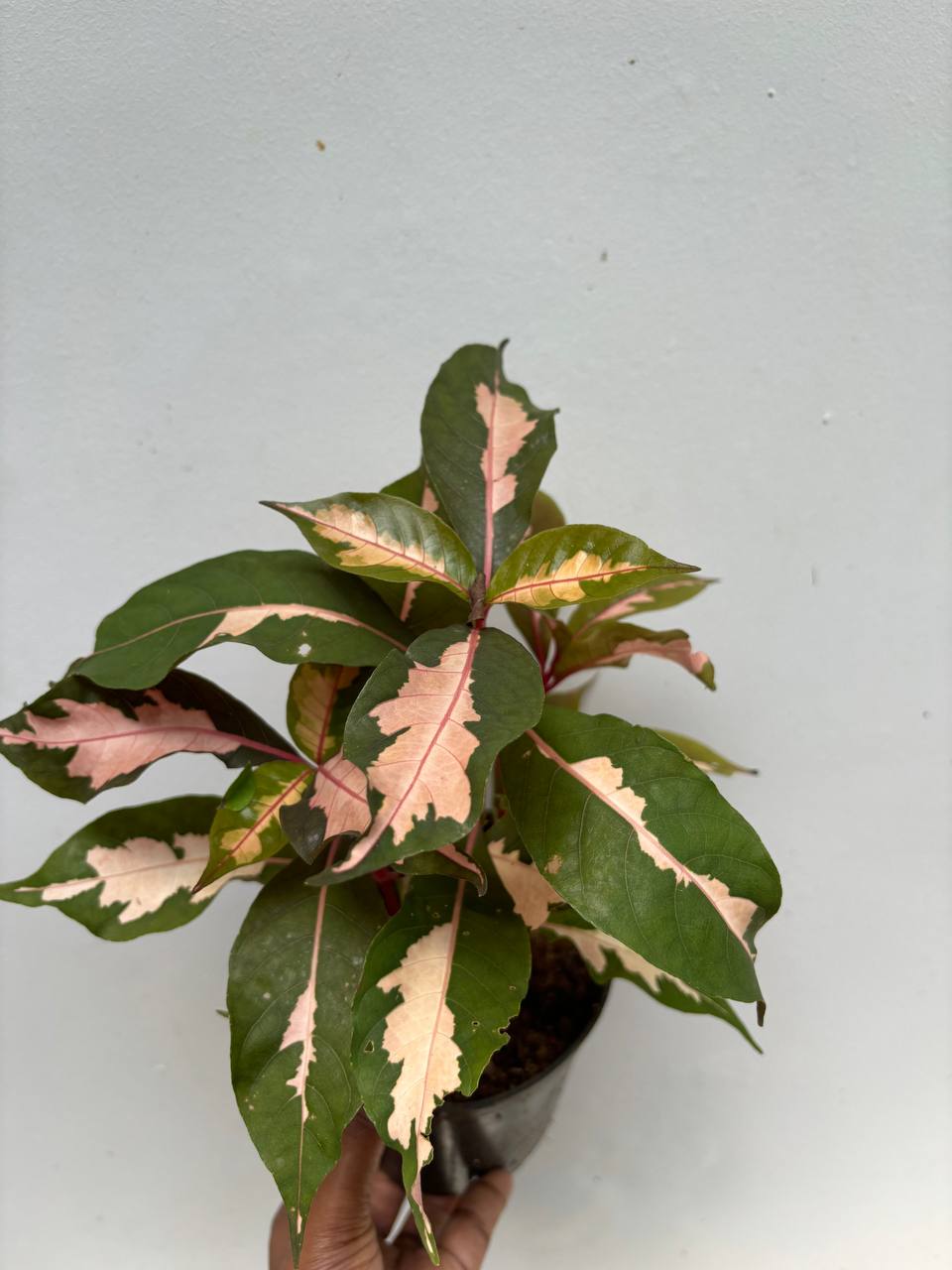
Calathea yellow mosaic (jiffy sized)
$42.25
$62.11
DescriptionIn India, we can sell this Calathea yellow mosaic (jiffy sized) via online delivery systems to any states including Andhra Pradesh, Arunachal Pradesh, Assam, Bihar, Chhattisgarh, Goa, Gujarat, Haryana, Himachal Pradesh, Jammu & Kashmir, Jharkhand, Karnataka, Kerala, Madhya Pradesh, Maharashtra, Manipur, Meghalaya, Mizoram, Nagaland, Odisha (Orissa), Punjab, Rajasthan, Sikkim, Tamil Nadu, Telangana, Tripura, Uttar Pradesh, Uttarakhand, and West BengalCalathea Yellow Mosaic (also sold as Calathea musaica ‘Network’ or sometimes labeled under Goeppertia kegeljanii) is a striking tropical plant admired for its unique patterned foliage. Instead of bold stripes or large blotches like many other Calatheas, its leaves feature a fine, intricate mosaic of yellow-green and dark green veins, almost resembling a network or digital pixelation.Here’s a quick care guide for it:�� General OverviewFamily: MarantaceaeOrigin: South America (primarily Brazil)Foliage: Oval, glossy green leaves with delicate yellow mosaic-like venation.Growth Habit: Compact, clumping houseplant, usually growing up to 1–2 feet tall indoors.Common Names: Calathea Yellow Mosaic, Calathea Network, Network Plant�� Care Requirements1. LightPrefers bright, indirect light.Avoid direct sun, which can scorch its patterned leaves.Can tolerate lower light but grows slower.2. WaterKeep soil consistently moist but not soggy.Use filtered or rainwater if possible (sensitive to hard tap water).Allow the top 1–2 cm of soil to dry slightly before watering again.3. HumidityNeeds high humidity (60–80%).Use a pebble tray, humidifier, or group with other tropical plants.Low humidity causes leaf edges to crisp and brown.4. TemperatureThrives between 18–27°C (65–80°F).Protect from cold drafts or sudden temperature changes.5. SoilUse a well-draining, airy mix (peat/coco coir perlite bark works well).Must retain some moisture but not stay soggy.6. FertilizerFeed monthly during growing season (spring–summer) with a balanced, diluted liquid fertilizer.Avoid overfeeding, which can cause leaf burn.7. RepottingRepot every 2–3 years in spring when roots fill the pot.Likes being somewhat root-bound.8. ToxicityNon-toxic to pets (safe for cats and dogs).
Foliage Plants